About
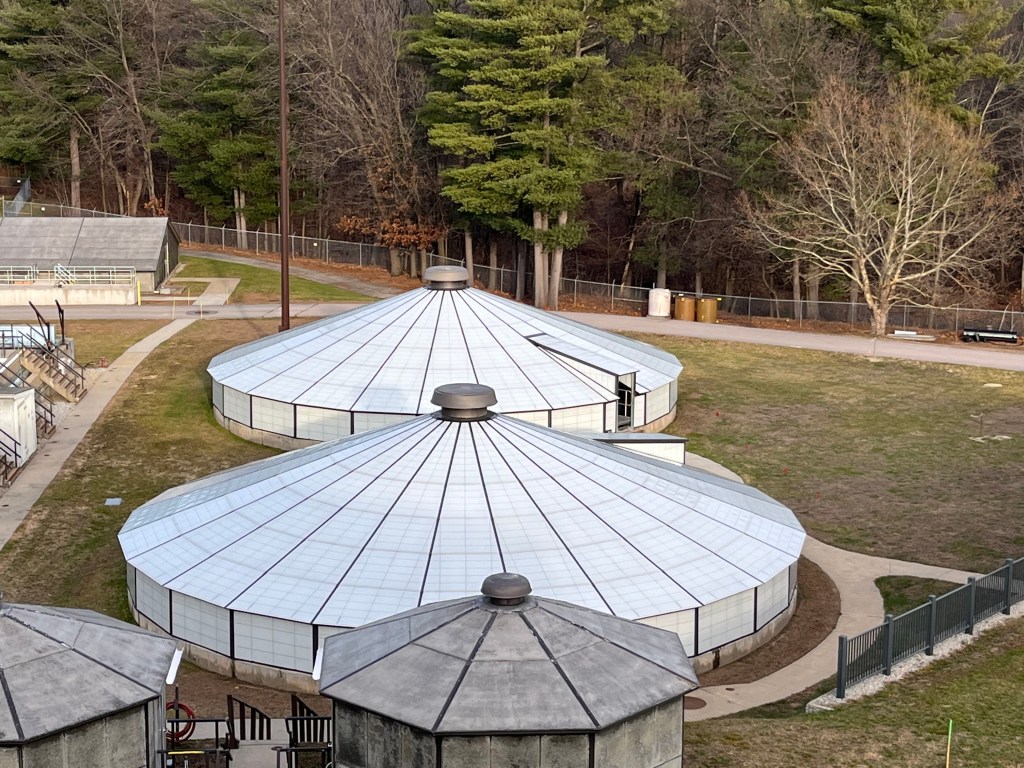
The Milford WWTF was put into service in 1982 as part of the Clean Water Act’s wastewater collection and treatment improvements made across the United States in the 1970s and 1980s. The WWTF was built in 1980-81 at a cost of approximately $6.7 million. Concurrently, about 78,000 feet of sanitary sewer collection system was constructed for another $7.8 million. Rate payers and taxpayers shared the cost of the project. The WWTF and collection system have operated non-stop, 24-7-365 since it was put into service. The value of those assets, in today’s dollars, is more than $50 million.
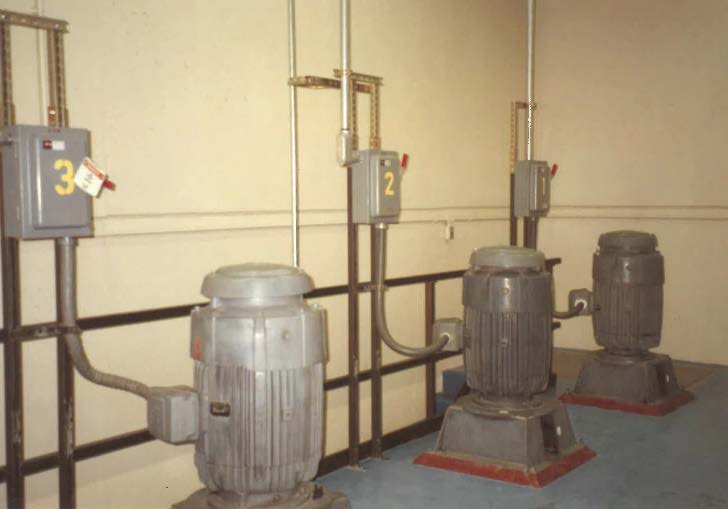
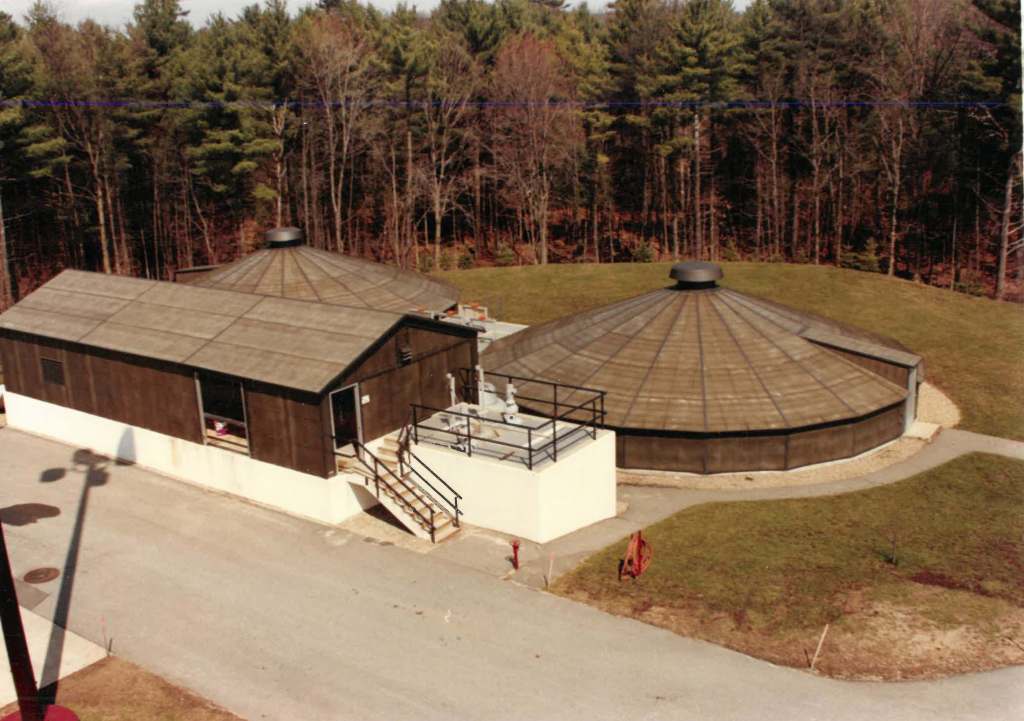
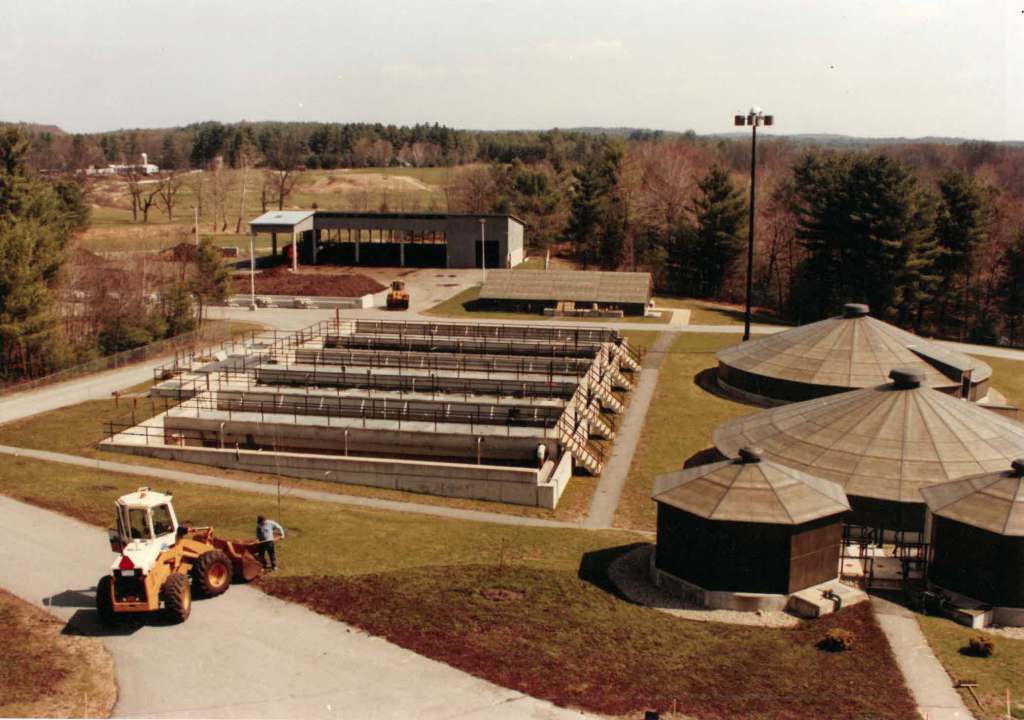
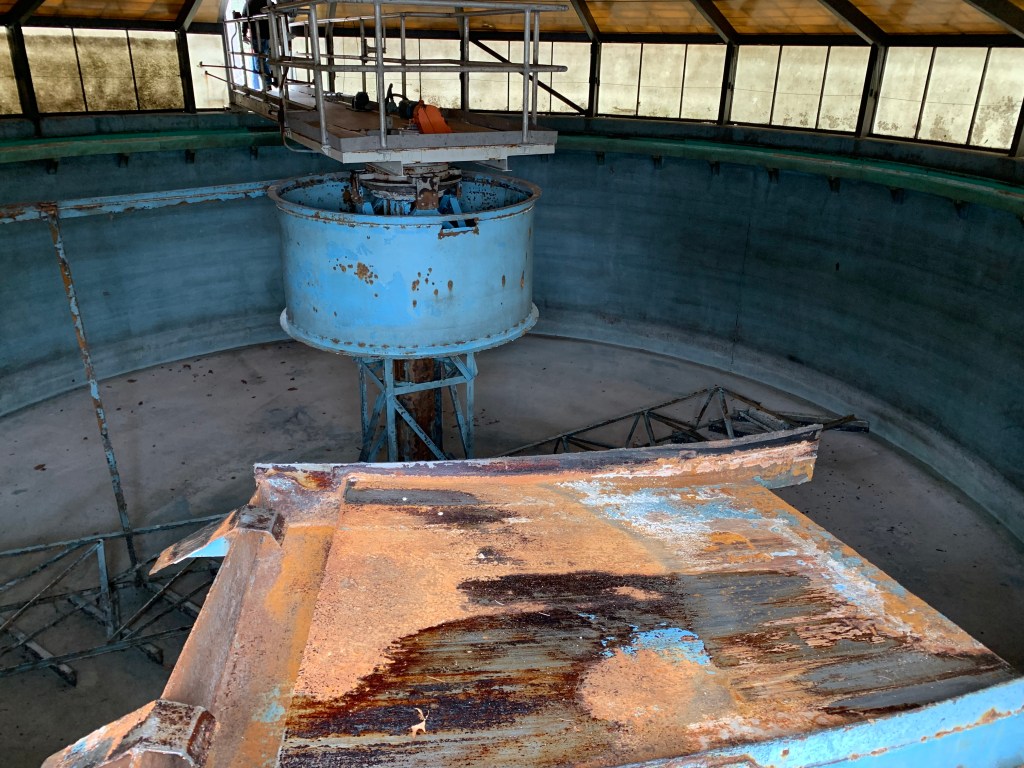
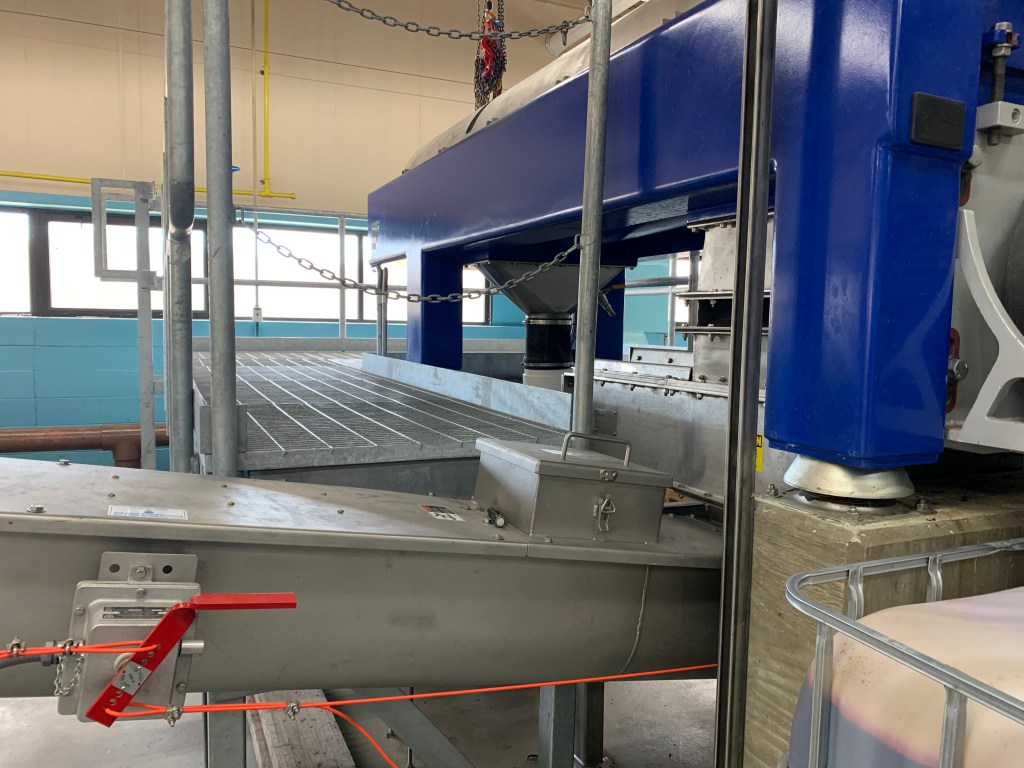
Over the past 40-years the MWUD staff have operated and maintained the WWTF. The Commissioners maintain a capital reserve fund that has been used most recently for planned improvements to septage receiving, disinfection, electrical system upgrades, and secondary clarification process improvements at the WWTF. Other age-related improvements are needed to make the facility more resilient, sustainable, and energy efficient. To date, these improvements, as well as the annual operations cost of the facility, have been borne exclusively by users directly connected to the wastewater system.
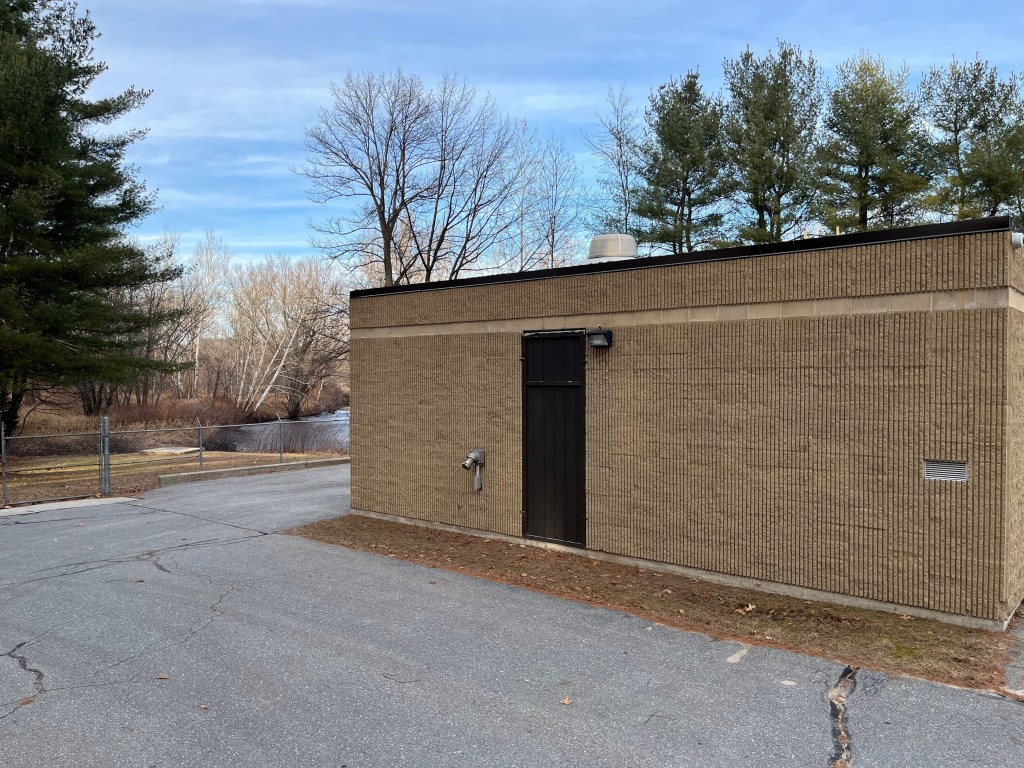
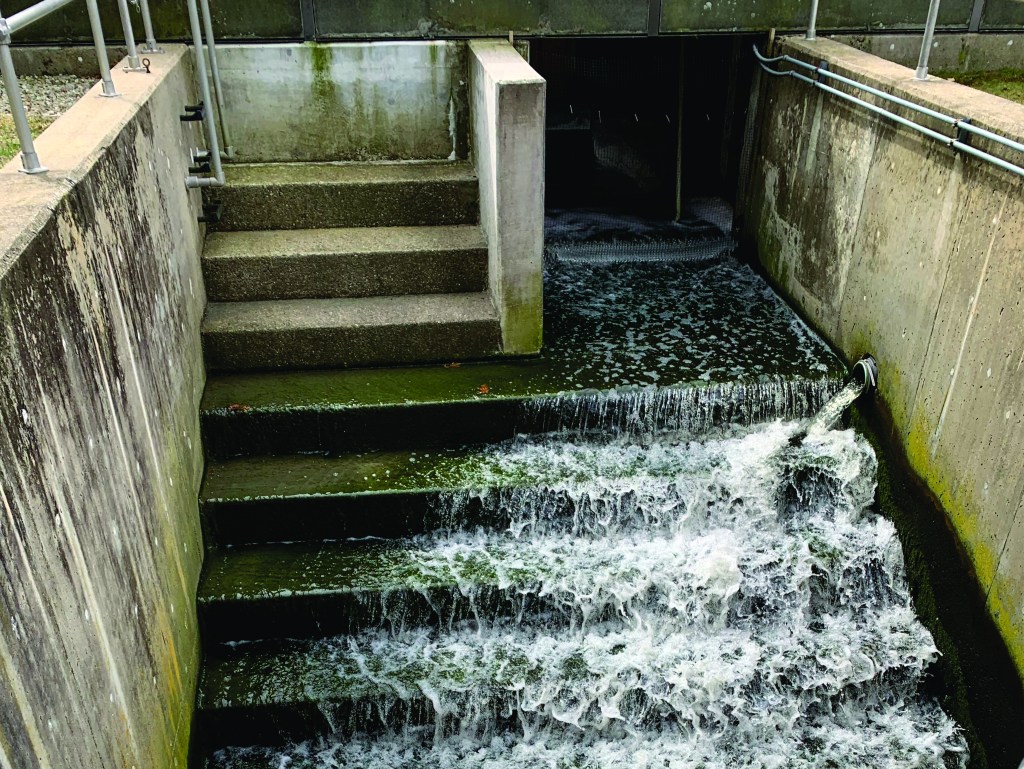
The Town of Milford received a new EPA NPDES Discharge Permit that became effective on November 1, 2020. The new permit limits the levels of phosphorous and metals in the wastewater discharged to the Souhegan River. The existing WWTF was not designed to meet these new limits and a study was undertaken to evaluate available technologies that could be added to the Milford WWTF to meet the new limits. The study was completed, and design of the new advanced treatment process is underway. The MWUD also recognized the other near-term planned improvements, known deficiencies, and operational inefficiencies at the WWTF that could be corrected at the same time the new advanced treatment process is implemented. The facility-wide study is nearly complete, and recommendations have been made to make capital improvements that, in combination with the advanced process, will result in a fully refurbished WWTF that will serve the Town of Milford for the next 30 years.

Why This & Why Now?
The Need
- The Town of Milford received a new EPA NPDES Discharge Permit for the WWTF that requires an advanced treatment process to reduce phosphorous and metals in the discharge water.
- Achieving the new permit limits is beyond the capabilities of the existing WWTF.
- The new permit limits improve water quality in the Souhegan River, which flows into the Merrimack River and is used as a source of drinking water by Town of Milford as well as other New England communities.
- There are other process elements needing age-related upgrades to make the plant more resilient, sustainable, and energy efficient.
- Combined, the proposed improvements will make the facility safer for operations staff and more efficient to operate.
- Wastewater treatment reliability is critical to support commercial and industrial businesses in Milford as well as some residents, town buildings, and businesses in the Town of Wilton.
The Funding
- Milford has been approved for 15% loan forgiveness and will apply for 20% State Aid Grant to offset the cost of the project
- The Town of Wilton will contribute 14.89% to the cost of the project (after grants and loan forgiveness).
- The New Hampshire Department of Environmental Services has a low-interest loan program for wastewater projects with a 2.536% interest rate, charging only 1% interim interest during design, bidding, and construction.
- MWUD has already taken advantage of more than $600,000 in American Rescue Plan Act (ARPA) grant funds for the advanced treatment process study, piloting of three advanced process technologies at the Milford WWTF, tours of facilities using the same technologies in New England, design of the recommended advanced treatment process, and a comprehensive study of the age-related needs at the WWTF.
- Cost sharing across town residents and sewer users is needed to tackle this significant upgrade project.
- Construction costs have risen consistently since the WWTF was built and have risen more steeply the past two years. Delaying improvements will only cost the Town more later.
 Milford NH Wastewater Treatment Facility